
Your needs, this model
Does it fit your priorities?
Is the Spinnie Roller within the compact length class?
Yes. Tiger Tail lists 17 inches overall, within the inclusive compact ceiling of 18 inches. Its listed 9-inch massage surface is a separate, shorter dimension.
Explore this need in the finder →Does the Spinnie Roller meet the finder’s raised-or-patterned surface choice?
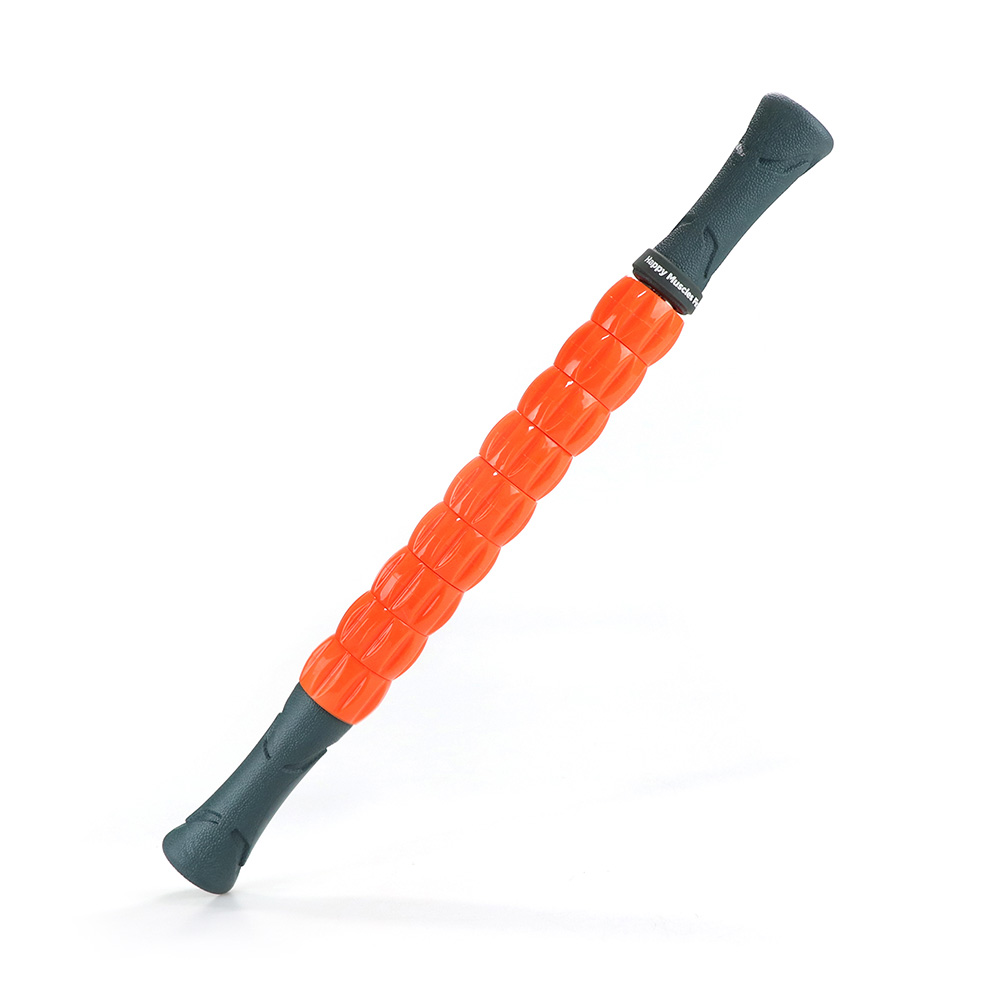
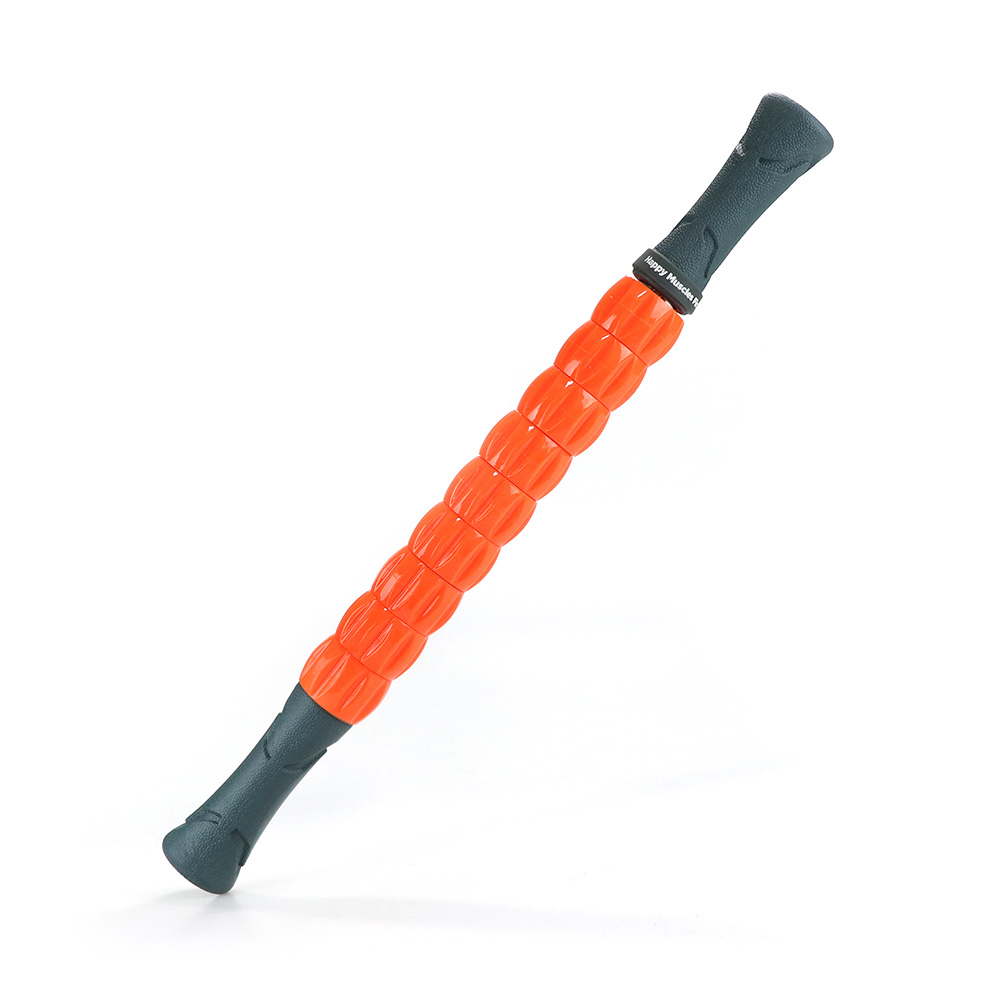
The manufacturer lists nine independent rollers on segmented spindles, and the exact image shows the repeated separated roller layout. It is classified as patterned by arrangement, not as rough or as a pressure/comfort prediction; the maker separately says the segments roll smoothly.
Explore this need in the finder →Can the Spinnie Roller satisfy a hard hollow-core requirement?
The manufacturer describes a firm, non-bending design but does not classify an internal core as hollow or solid. Unknown construction does not meet either strict core choice.
Explore this need in the finder →The Spinnie Roller is a hand-held stick built around separate moving sections rather than a single long foam barrel. Tiger Tail lists nine independent roller elements on segmented spindles, a 17-inch end-to-end length and a 9-inch massage surface. That puts the overall stick in the finder’s compact class while leaving a shorter working span. This is a source-based assessment of the listed design; it is not a report of hands-on use or a test of pressure, comfort or durability.
Nine separate rollers change the comparison
The feature that distinguishes the Spinnie is its contact assembly. The manufacturer says there are nine independent ABS rollers on segmented spindles and describes using the stick in back-and-forth or circular motions. The exact product image shows a repeated row of separated orange-red roller sections between two dark grips. Those details support calling it a segmented rolling arrangement, not a continuous smooth cylinder.
The maker also says the spindles roll smoothly over skin and clothing. That describes their motion; it does not erase the visible divisions between them. For this guide, those divisions count as a patterned layout, but the label is not a claim that the surface feels rougher, presses harder, or works better than a continuous barrel. The page's material wording pairs “ABS” and “foam rollers” without explaining whether there is a separate foam layer, so the precise polymer stack remains unknown.
Overall length is not the working span
At 17 inches overall, the Spinnie is one inch below the finder’s inclusive 18-inch compact ceiling. Its listed massage surface is 9 inches. The two figures answer different questions: 17 inches is the more useful first comparison for space and end-to-end reach, while 9 inches is the manufacturer’s stated active region. The source does not list handle lengths or a roller diameter, so neither should be estimated from the photograph.
For a buyer comparing similar-length hand tools, the Spinnie is longer overall than Tiger Tail’s 15.5-inch Spiky Roller and shorter than its 17.75-inch Bendy 18; the Spinnie and Spiky listings each give a 10.4-ounce weight. Their center sections also differ: nine separated roller cylinders on the Spinnie, three spiked balls on the Spiky, and eight rounded independent beads on the Bendy 18. These are documented mechanism and geometry distinctions, not forecasts of how any person will experience them. A buyer preferring a single continuous center can instead compare the 18-inch Tiger Tail Original, whose maker describes a smooth rolling center.
Hand-guided, not a floor roller
This format is held and moved by the user; it does not rely on a mat, a floor setup or body weight over a long cylinder. That can matter when the desired workflow is to roll a section while standing or seated, but the published dimensions alone cannot tell whether the grips, span or range of motion will suit a particular person. The page lists neck, shoulders, arms, upper and lower back, hamstrings, glutes and quads as areas for use. Those are manufacturer-listed areas, not clinical directions or independently verified treatment effects.
The product page calls the design firm and says it does not bend. No standardized stiffness measure, force rating or load limit accompanies that claim. The internal construction is also not identified as hollow or solid. Someone who needs a confirmed core type should treat the Spinnie as undocumented rather than use its firm description or the photograph as a substitute for a construction specification.
Care and limits to verify
Tiger Tail lists a weight of 10.4 ounces and a one-year warranty statement. The FAQ suggests wiping the tool with a damp cloth and mild soap, then letting it air dry; check current instructions and seller terms for the exact offer. The source does not provide independent durability data, a component-level materials breakdown or a particular replacement-parts policy. Nor does this assessment independently measure its size or weight.
The Spinnie is most distinct on paper when a shopper wants a portable hand-held design with several rotating contact segments and a compact 17-inch overall length. It is less directly comparable to a wide floor-supported roller, and the 9-inch active span is substantially shorter than the tool’s total reach. If smoothness or core type is essential, compare those claims against the exact product documentation rather than treating the Spinnie’s segmented layout, the maker’s firm wording or its listed uses as a promise of feel or result.
Key specifications
Key details at a glance
| Length | 17 in |
|---|---|
| Length class | Compact class (18 in or shorter) |
| Active rolling surface length | 9 in |
| Listed product weight | 10.4 oz |
| Surface pattern | Segmented independent rollers |
| Outer material | Manufacturer identifies the independent roller elements as abs; the same page uses foam wording without specifying whether a separate foam layer is present. |
| Overall tool length (not continuous roller span) | 17 in |
| Powered operation | No |
| Warranty | 1 year |
Use the exact model’s instructions for operating limits, supplied equipment and version differences.
Sources for this review
Sources for this assessment
Compare the tradeoff against your routine
Use the source-based finder to compare documented size, surface and construction preferences; it does not predict comfort or therapeutic outcomes.